 Dental bonding can address cosmetic and structural issues that affect teeth. The treatment involves applying a composite resin to the patient’s teeth and shaping the composite as needed. The composite blends in with the rest of the person’s teeth, which ensures that any repairs performed look natural.
How dental bonding is used to repair chipped, cracked, and gapped teeth
The process of dental bonding does not cause any pain, so there is no need to use an anesthetic unless the procedure is being used to treat tooth decay. There is no need to make any permanent alterations to the patient’s tooth either, as is the case with crowns or veneers.
The only preparation that is done to a patient’s tooth before dental bonding is roughening up its surface so the composite sticks better to it. This does not affect the tooth’s structural integrity in any way nor its ability to protect itself against acids in the mouth.
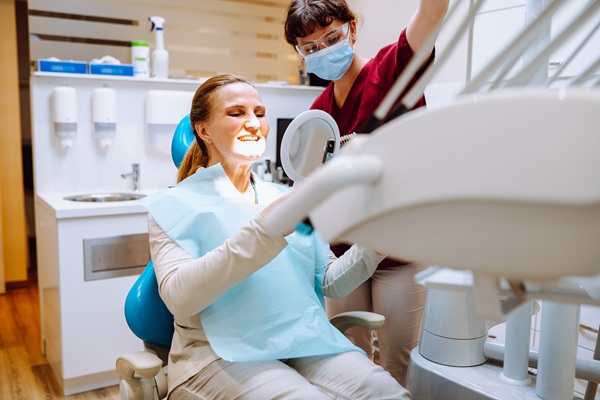
Once the patient’s tooth has been prepared for the composite (which has been color-matched with the rest of their teeth), the putty-like resin is applied to the tooth in layers. This leads to a stronger structure and bond with the tooth. The dentist hardens the composite with a curing light. The dentist might make alterations to the restoration once it hardens before finishing the treatment by polishing the tooth.
Issues that dental bonding is commonly used to fix include discolored, cracked, or deformed teeth. Resins can also be used to close gaps between teeth and rebuild teeth that have been damaged by decay.
It takes anywhere around 45 minutes to an hour to repair a tooth with composite bonding. The procedure is completed during a single dental procedure, so the patient gets to leave the clinic with their smile restored.
Life after dental bonding
The process of restoring teeth with dental bonding does not require a recovery period, and patients should be free to get back to their regular activities right after the appointment. Teeth that have been restored with composite resins do not require any specialized care. Brushing and flossing are all it takes to keep these teeth and their composite restorations in good condition. When well maintained, restorations made with composite resin can last up to five years.
The composites used for the process are not as durable as real teeth, so people with teeth repaired with dental bonding should avoid hard foods that can damage them, like ice or hard candies. They should also avoid using their teeth as tools to open bottles or packages. Composite repairs tend to chip off as they build up wear and tear, but dentists can easily perform touch-up treatments to restore their appearance.
Restore your damaged teeth
Composite bonding can be an affordable, non-invasive way to restore damaged or discolored teeth. Call or visit our Brevard clinic to set up an appointment with our dentist.
Request an appointment or call Carolina Smiles Family Dental at 828-884-3702 for an appointment in our Brevard office.
Recent Posts
Smile imperfections can dampen the way you see yourself. Fortunately, there are various to improve or correct them. One of the most common is dental bonding. This smile restorative can enhance smiles and their function in as little as one appointment.Dental bonding is a cosmetic procedure that uses tooth-colored composite resin to form the shape…
Dental bonding can be an effective treatment option if you have chipped, cracked, or discolored teeth. It offers a minimally invasive approach to helping you achieve a brighter, more confident smile. However, before you pursue dental bonding to transform your teeth, there are a few things you should know.Dental bonding, also known as composite bonding…
Dental bonding may be the most versatile tool a general dentist can use to improve the smile's appearance. Of all the cosmetic dental treatments, one could argue that dental bonding has the widest range of uses. If you are considering dental bonding to improve the overall look of your smile, it may be the only…